
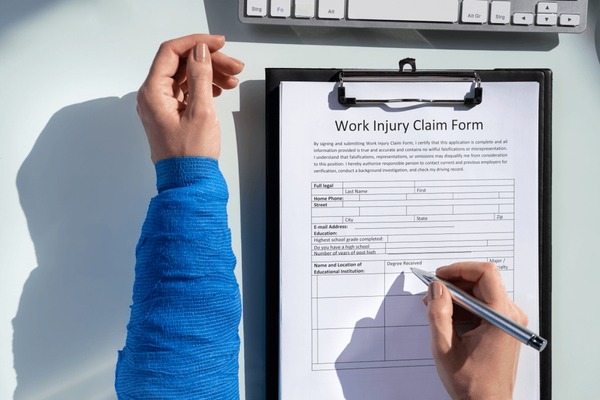
When an employee gets injured on the job, knowing how to handle it correctly can make a significant difference — both for your employee’s recovery and for your business’s insurance costs. Florida’s workers’ compensation system has specific procedures that employers must follow, and missteps can result in delays, compliance issues, or higher future premiums. Here’s a clear guide to how workers’ comp claims work in Florida and what you need to do as an employer.
Step 1: Provide Immediate Medical Attention
Your first obligation when a workplace injury occurs is to ensure the employee receives appropriate medical care. For emergencies, call 911 or send the employee to the nearest emergency room immediately. For non-emergency injuries, you have the right — and responsibility — to direct the employee to an authorized treating physician within your workers’ comp carrier’s network. In Florida, employers control the initial selection of the authorized treating physician, which is an important distinction from some other states.
Step 2: Report the Injury Promptly
Florida law requires employers to report workplace injuries to their workers’ comp insurance carrier within 7 days of the injury or the date the employer first has knowledge of it. Failing to report promptly can result in fines and complications with the claim. You’ll need to complete a First Report of Injury (FROI) with your carrier. This report documents the injury, the circumstances, the employee’s information, and the treating physician.
Step 3: Understand What the Claim Covers
Once a claim is opened, workers’ comp will typically cover all authorized medical treatment related to the injury, temporary disability benefits (if the employee is unable to work), permanent impairment benefits (if the injury results in lasting limitations), and vocational rehabilitation if the employee cannot return to their previous role. Benefits are calculated based on the employee’s average weekly wage. The carrier will assign an adjuster to manage the claim and communicate with both the employer and the employee.
Step 4: Maintain Communication and Documentation
Throughout the claims process, maintain regular communication with your insurance carrier and document everything. Keep records of the incident, any witness statements, medical reports, and all correspondence. If you have a modified duty or light-duty program, make it available to the injured employee as soon as they’re medically cleared — this can significantly reduce the duration of disability benefits and control your claim costs.
How Claims Affect Your Future Premiums
Workers’ comp claims directly impact your Experience Modification Rate (EMR), which is a key factor in calculating your future premiums. High-severity or high-frequency claims raise your EMR and increase what you pay. This is why prompt reporting, proper medical management, and effective return-to-work programs matter so much — they help control claim costs and protect your long-term insurance rates.
Work With an Experienced Florida Workers’ Comp Provider
At Pinkerton Payroll & Insurance, we don’t just sell workers’ comp coverage — we help you manage it. From selecting the right carrier and classification codes to integrating coverage with your payroll system, our team is here to make the process as simple and cost-effective as possible. Learn more about our workers’ comp services or call 941.584.8606 today.